
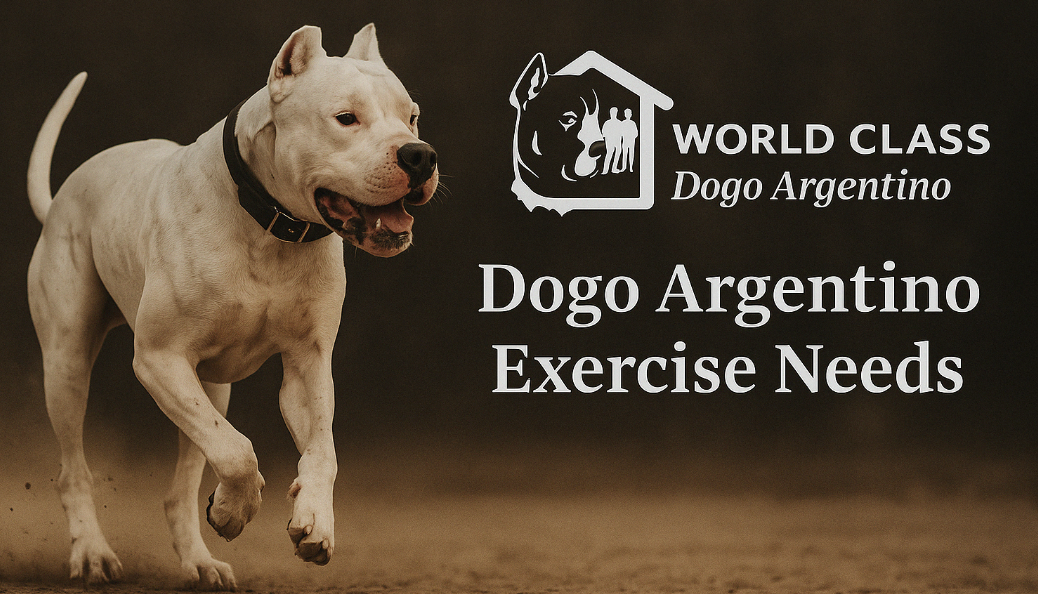
If you’ve brought home a Dogo Argentino—or are eyeing one from World Class Dogo Argentino just outside Atlanta, Georgia—you already know these dogs were born to move. Their powerful build and sharp mind demand regular outlets for energy. Without enough exercise, Dogos can get bored, restless, or even destructive. This guide breaks down exactly how much activity your Dogo needs at every life stage, the best types of workouts, safety tips, socialization ideas, and more. Lace up your sneakers and let’s get moving.
Understanding the Dogo Argentino’s Active Nature
The Dogo Argentino was originally bred for big‑game hunting. That means:
- Endurance: They can track quarry for miles.
- Strength: Their muscular frame tackles rough terrain.
- Drive: They thrive when given a job or challenge.
Even as family companions, those traits remain. A bored Dogo is a handful. They might chew furniture or bark endlessly. But give them tasks and they’ll reward you with loyalty and calm. You don’t need a wild boar to hunt. Simple activities will tap into that drive and keep your home peaceful.
Why Exercise Matters for Dogos
Regular exercise is more than burning off energy. With the right routine you can:
- Support joint health
Controlled, consistent activity helps maintain strong ligaments and cartilage. - Stimulate the mind
Physical work paired with training keeps them engaged. - Prevent weight issues
Lean muscle burns more calories at rest than fat. - Strengthen your bond
Working side by side builds trust and teamwork.
If you skip enough walks, even the best‑natured Dogo can become anxious. They’re happiest when they’re moving—and when they’re with you.
Exercise Guidelines by Life Stage
Not every age needs the same routine. Here’s a rough chart to follow:
| Age | Daily Activity Needed | Focus |
|---|---|---|
| 0–6 months | Short bursts totaling 15–20 minutes | Gentle play, puppy socialization |
| 6–12 months | 30–60 minutes | Leash walks, fetch, basic obedience |
| 1–2 years | 60–90 minutes | Running, hiking, agility drills |
| 2+ years | 90–120 minutes | Advanced sports, long hikes, swim |
Tip: Measure total active time, not just walk duration. Mental games count, too.
Puppies (0–6 months)
Puppies have growth plates that need protection. Keep sessions short—two to three five‑minute play bursts a day. Good options:
- Soft tug games on plush toys
- Hide‑and‑seek with treats in a small room
- Gentle leash strolls—no jogging yet
Watch their energy. If they flop down or pant heavily, stop. Puppies learn best with positive, stress‑free activity.
Juveniles (6–12 months)
Your Dogo has more stamina now. Aim for three to four 15‑minute sessions. Mix walking with training drills:
- Leash walks increasing from 10 mins up to 30 mins
- Fetch in a fenced yard or hallway
- Basic commands—sit, stay, come followed by a treat reward
Avoid high‑impact sports. Jumping off furniture or chasing bikes can damage joints. Keep the play controlled.
Young Adults (1–2 years)
This is peak energy stage. Plan one long session (45–60 mins) and one shorter (15–30 mins). Suggestions:
- Trail hikes—vary the terrain
- Agility practice—simple jumps and tunnels
- Scent‑work games—hide toys around the yard
You can start light jogging, but build pace gradually. Always warm up with a short walk.
Mature Adults (2+ years)
By now, growth plates are closed. Your Dogo can handle more intense workouts:
- 1–2 hour outings: runs, hikes, bikejoring
- Swim sessions—great low‑impact cardio
- Competitive sports: agility trials, obedience competitions
Even mature Dogos appreciate variety. Rotate activities to keep them mentally sharp.
Types of Exercise for Dogo Argentinos
Not all workouts are created equal. Here are top picks for your Doggo’s body and brain:
Walks and Runs
- Leash walks: Start slow. Increase duration week by week.
- Jogging partner: Match your pace to your Dogo’s comfort.
On hot days, opt for early morning or evening. Pavement heats up quickly.
Off‑Leash Play and Recall
- Secured dog park: Great for socialization—just watch for overexcitement.
- Backyard fetch: Use soft balls or plush toys in a fenced area.
- Long‑line recall: A 20–30 ft cord lets them roam but keeps control.
Mental Stimulation
- Scent games: Hide treats or toys around the yard.
- Puzzle feeders: Slow‑down meals and engage the mind.
- Training drills: Teach new tricks or refine commands.
Canine Sports
- Agility: Tunnels, weave poles, low jumps.
- Flyball: Relay races that test speed and focus.
- Dock diving: If you have water access, most Dogos love a good swim.
Water Workouts
- Swimming: Gentle on joints, total‑body exercise.
- Fetch in shallow water: Adds resistance without impact.
Mix and match each week. Let your Dogo surprise you with their favorite games.
Exercise Safety and Health Considerations
Protecting Growing Joints
Puppies’ bones are still developing. Keep these in mind:
- No steep stairs or furniture jumps before 12 months.
- Soft surfaces—grass or dirt—beat concrete.
- Controlled play in short bursts prevents overexertion.
Avoiding Heat Exhaustion
Dogo Argentinos have white coats that reflect sun, but they overheat:
- Exercise in cooler hours.
- Carry water and a collapsible bowl.
- Learn early signs: heavy panting, drooling, lethargy.
If you spot any limp or stumble, pause activity and rest.
Hydration and Diet
Your exercise routine must match calorie intake:
- Increase food on high‑activity days—split meals if needed.
- Offer water before and after workouts.
- Consider electrolyte mixes (vet approved) for long hikes.
Monitoring for Injury
After sessions, do a quick body check:
- Feel joints for swelling.
- Check paws for cuts or foreign objects.
- Observe gait—any limping warrants a vet call.
Building a Routine That Fits Your Lifestyle
Weekday vs. Weekend Plans
- Weekdays: Short morning jog (15–20 mins), evening play or walk (30 mins).
- Weekends: Longer adventures—hikes, park days, training classes.
Set alarms or calendar reminders. Consistency helps your Dogo settle into good habits.
Indoor Options for Bad Weather
- Hallway fetch: Use soft toys to avoid damage.
- Stair circuits: If you have safe steps, two‑minute climbs.
- Interactive toys: Tug ropes, treat dispensers, DIY obstacle courses.
Even a half‑hour indoors can stave off cabin fever.
Training Integration
Exercise and training go hand in hand. Here’s how to blend them:
Reinforce Commands on Walks
- Sit‑and‑wait at curbs: Work on impulse control.
- Loose leash walking: Stop when the leash tugs, resume when loose.
Recall as a Game
- Reward your Dogo handsomely for returning.
- Use a long line to practice off‑leash recall safely.
- Change recall locations to generalize the behavior.
Trick Work for Tiring Out
- Teach “spin,” “bow,” or “crawl.”
- Ten reps of a new trick can be as tiring as a 10‑minute jog.
Socialization Through Exercise
Dog parks and group classes double as workouts and social trials:
- Group hikes: Meet up with other owners and their dogs.
- Puppy play dates: Start in that 4–12‑week window and keep it up.
- Agility clubs: Trial days test focus in new environments.
Always watch body language. A tired or overstimulated Dogo might need a break on the sidelines.
World Class Dogo Argentino: Your Trusted Breeder
When you’re ready for a puppy built for adventure, look to World Class Dogo Argentino just outside Atlanta, Georgia. They’ve spent decades refining bloodlines for health, drive, and temperament. At their facility you’ll find:
- Health testing: OFA hips, elbows, cardiac exams on parents.
- Early socialization: Puppies meet household sounds, gentle handling, and basic training.
- Expert guidance: Feeding, exercise, and care plans tailored to your puppy.
If you value top quality and lifelong support, World Class Dogo Argentino is the go‑to source for your next canine athlete. Check them out at worldclassdogoargentino.com.
5 Things to Know Before Starting Your Dogo’s Exercise Routine
Drawing on tips from the “7 Things to Know Before Getting a Dogo Argentino Puppy” guide, here are key points:
- Energy levels vary by bloodline. Even within the breed you’ll find calmer and more driven lines. Ask your breeder.
- Joint care is non‑negotiable. Early diet and play impact lifelong mobility. Follow large‑breed puppy feeding guidelines.
- Training consistency pays off. High‑drive dogs need clear rules. Set boundaries early.
- Social exposure shapes confidence. Safely introduce new sights and sounds at every stage.
- Mental exercise matters. A tired brain means a calmer dog. Combine physical activity with puzzle play.
These insights set you and your Dogo up for decades of teamwork.
FAQs on Dogo Argentino Exercise Needs
Q: How much daily exercise does a Dogo Argentino need?
Roughly 1–2 hours, split between physical and mental work. Puppies get less—see the age chart above.
Q: What if my Dogo doesn’t get enough exercise?
Watch for chewing, barking, or zoomies. Boredom behaviors mean they need more outlets.
Q: Can I run with my Dogo puppy?
Not until 12–18 months. Before that, stick to leash walks and short bursts of play.
Q: Is swimming safe for Dogos?
Yes. It’s low‑impact. Always supervise and use a canine life vest if needed.
Q: How do I exercise my Dogo in winter?
Shorter outdoor sessions. Indoor games. Doggy daycare days. Layer them in a lightweight coat if frost is an issue.
Additional Resources
- Find top breeders and puppy support at World Class Dogo Argentino.
- Prep for your pup’s arrival with “7 Things to Know” from The Pets and Love.